Advice From The Ritchie Team Experts


There is something satisfying about collecting fresh eggs from your own backyard flock. But anyone who keeps chickens knows that eggs do not always come out of the nesting box perfectly clean. Feathers, mud, bedding and other debris can sometimes end up on the shell. Knowing what to do when that happens is an important part of keeping fresh eggs clean and properly handled.
Salt might seem like a simple part of livestock care, but it provides essential nutrients that animals need. From cattle grazing in a pasture to other livestock around the farm, access to the right salt and mineral program can be an important part of a balanced diet. So where does a Himalayan salt product fit in?
If you have ever seen a bag of sulfur in the wildlife section of a feed or outdoor store, you might wonder what it is doing there. Sulfur products are sold specifically as wildlife attractants, particularly for animals such as moose and deer. But what exactly are these products, why are they used, and what should you know before putting one out?
When it comes to fall decorating, sometimes the simplest pieces make the biggest impact. Decorative bushel baskets have been a fall favourite for years because they bring warmth, texture and a classic harvest season look to porches, patios and entryways.
Whether you're decorating a front step, creating a seasonal planter or building a cozy autumn display, a bushel basket can be the perfect starting point.
Peanuts in the shell can be one of the most entertaining foods to add to a backyard bird-feeding setup. Unlike shelled peanuts, birds have to work with the whole shell often carrying the peanut away before opening it or storing it for later.
But which birds actually eat them, why do they choose them, and where should you offer them?
If you’ve ever looked at a bag of deer feed and noticed molasses on the ingredient list, you might wonder why it’s there. Molasses is a thick, sweet by product of sugar production, and its strong aroma and flavour can make formulated feeds more palatable. It can also provide readily available energy and help reduce dust in certain feed mixtures.
Raising backyard chickens gives you more control over how your flock is cared for and what goes into their daily diet. For many chicken owners, that’s part of the appeal—you can choose their feed, monitor their health and enjoy fresh eggs right from your own backyard.
But when choosing chicken feed, you may come across both organic and regular (conventional) options. What’s actually different between them, and does choosing organic feed make a difference?
At first glance, straw and hay can look almost identical. Both are dried plant materials, both are commonly sold in bales, and both are used around farms, barns, gardens, and livestock.
But straw and hay are not interchangeable.
Baking soda is one of those household products that seems to appear everywhere in gardening advice. Search online and you will find claims that it can stop fungal diseases, kill weeds, control pests, sweeten tomatoes, change soil pH, and solve all kinds of garden problems.
Baking soda, or sodium bicarbonate, does have some legitimate uses in horticulture, particularly as part of certain approaches to managing powdery mildew and other fungal diseases. However, it is not a cure all, and using too much can harm plants or contribute sodium to the soil.
Understanding what baking soda actually does, why gardeners use it, when it may be appropriate, where it should and should not be applied, and how to use garden products safely can help separate useful gardening information from internet myths.
When choosing food for backyard birds, sunflower seed often gets most of the attention. But shelled peanuts can also attract a surprising variety of visitors to a feeder.
Peanuts are naturally rich in oils and protein, making them a concentrated source of energy. Birds including Blue Jays, Black capped Chickadees, White breasted Nuthatches, woodpeckers and several other species readily eat peanuts.
But feeding peanuts properly involves more than simply putting a handful outside. The type of peanut, feeder, storage conditions and feeder cleanliness all matter.
White tailed deer are a familiar sight across Ontario, but what they eat is much more complex than it might appear. Their diet changes throughout the year as plants grow, mature, produce fruit and seeds, and eventually become dormant.
Deer are ruminants with a digestive system adapted to a changing natural diet. During spring and summer, they can select tender, highly digestible vegetation. During fall, energy rich natural foods become particularly important as deer build fat reserves. In winter, their diet shifts heavily toward woody browse such as twigs, buds and some evergreen foliage.
Understanding these seasonal changes helps explain what deer naturally need and, just as importantly, why putting out supplemental feed for wild deer is generally discouraged in Ontario.
Walk through the landscaping section of a garden centre and you may see bags of mulch sitting beside bags of bark nuggets. They can look like completely different products, but there is an important detail to understand before choosing between them.
Bark nuggets are actually a type of organic mulch.
The real difference is usually the size, shape, texture, appearance, and how the material behaves once it is spread throughout your landscape. Shredded bark mulch consists of much smaller, fibrous pieces, while bark nuggets are larger individual chunks of bark. Both can help conserve soil moisture, moderate soil temperatures, and suppress weeds when used correctly.
So which should you choose? It depends on what you are covering, the look you want, and the conditions in that part of your yard.
When the gardening season starts winding down, it can feel like planting season is over. In reality, fall is the beginning of next year’s garden for several types of plants.
In Ontario, fall is the traditional planting season for many spring flowering bulbs and garlic. It can also be an excellent time to sow certain wildflowers, particularly species whose seeds benefit from exposure to cold, moist winter conditions.
The key is knowing what can actually be planted in fall, when to plant it, where it should go, why winter can be beneficial, and how to plant it correctly.
Fall lawn care is not simply about spreading a few products before winter. The order and timing matter, especially when you are combining grass seed, fertilizer, beneficial nematodes, and corn gluten meal.
For lawns in Ontario, late summer and early fall can be an important recovery period. Cooler air temperatures reduce summer stress while the soil remains warm enough to support cool season grass growth and seed germination. It is also a useful time to repair thin areas and address certain lawn pests before winter.
The most important thing to remember is that not every fall lawn needs every treatment. Overseeding, nematodes, fertilizer, and corn gluten each serve different purposes, and some should not be used together at the same time.
Walk through any garden centre and you will find bags of compost, manure, and fertilizer, all designed to help your garden grow. However, these products are not the same, and choosing the right one depends on what your soil and plants actually need.
Compost is mainly used to add organic matter and improve soil. Manure can add organic matter along with nutrients. Fertilizer is primarily used to provide specific nutrients to plants.
Understanding what each one does, why and when you would use it, where it belongs, who can benefit from it, and how to apply it correctly can help you make better decisions for your lawn and garden.
As summer begins to wind down, one of fall’s most recognizable flowers is getting ready to take centre stage. Chrysanthemums, commonly called mums, bring rich seasonal colour to porches, patios, entrances, balconies, and garden spaces.
But creating a beautiful fall display is about more than choosing your favourite mum. The right planter size, drainage, placement, and care can make a big difference in how your arrangement looks and performs throughout the season.
Whether you want one simple mum by the front door or a large fall planter filled with seasonal plants, now is a great time to start planning.
After a summer of heat, foot traffic, dry periods, weeds, and regular mowing, your lawn may be looking a little thinner than it did in spring. Late summer into early fall is an excellent opportunity to help it recover before winter.
For cool season lawns common in Ontario, this time of year brings cooler air temperatures while the soil is still warm enough to support seed germination and root development.
Overseeding thin areas, improving seed to soil contact, watering correctly, and providing appropriate nutrients can help build a denser lawn before winter and give it a stronger start next spring.
As summer begins to wind down, beekeepers have an important job ahead of them: preparing their colonies for fall and winter.
For honey bees in Ontario, successful overwintering doesn't begin when the snow arrives. It starts in late summer, while the colony is still active and the bees that will make up the winter population are beginning to develop.
This is the time to evaluate colony strength, monitor Varroa mites, make sure the hive has adequate food stores, assess the queen and brood, and begin planning for colder weather.
So, what should you do, why does it matter, when should you start, where should you look in the hive, and how can you prepare your bees properly? Let's break it down.
When you hear the words cattle panel, fencing livestock is probably the first thing that comes to mind. While that's certainly one of their main purposes, these strong wire panels can be surprisingly versatile around a farm, homestead, or garden.
Cattle panels can be used to create livestock enclosures, reinforce fencing, protect garden areas, support climbing vegetables, and even create garden arches. Their rigid construction makes them useful anywhere you need a strong, open framework.
So, what exactly is a cattle panel, who uses one, when and where should it be installed, why is it useful, and how can you put one to work? Here's what you need to know.
When you think about protecting your lawn and garden from pests, microscopic organisms probably aren't the first thing that comes to mind. But beneath the soil, beneficial nematodes can play an important role in managing certain insect pests.
These microscopic roundworms occur naturally in soil, and specific species are used as biological pest-control products. Once applied correctly, they seek out susceptible pest larvae or other immature insect stages in the soil.
Understanding what nematodes are, why they're used, when and where to apply them, and how to apply them properly can help gardeners get better results.
Keeping chickens healthy starts with what goes into their feeder. Chickens need more than just a handful of corn or scratch grains. Their nutritional needs change as they grow, begin laying eggs, moult, and move through different stages of life.
Understanding what to feed, when to change feeds, and why different nutrients matter can help support healthy growth, strong feathers, consistent egg production, and overall flock health.
Whether you're raising your first few backyard chickens or caring for an established flock, knowing the basics of poultry nutrition makes feeding much simpler.
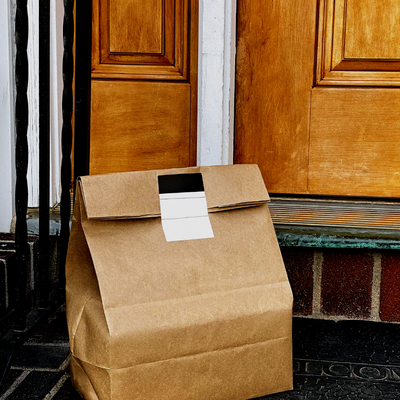
Shop online with weight-dedicated delivery prices to accommodate any of your shopping needs.
*Please note: shipping is limited to a 35km range from our store locations.
Small items may be delivered via Canada Post lettermail beyond this distance.

Account & Online Order Inquires
webstore@ritchiefeed.com
Social & Event Inquires
social@ritchiefeed.com
Garden Club Inquires
gardenclub@ritchiefeed.com
All Other Inquiries
expert@ritchiefeed.com

