Standing in front of the feed wall is exciting… until you’re staring at crumbs vs pellets, starter vs grower, and wondering what your birds actually need.
Here’s the simplest way to think about poultry feed:
-
Chicks need protein + protection while their gut and immune system are developing.
-
Growing birds need steady growth support (not too rich, not too low).
-
Laying hens need calcium + balanced nutrition to keep eggshells strong and production consistent.
- Scratch is a treat/top-up grain, and not a complete feed
Below is a clear breakdown of Ritchie’s poultry feeds, when to use them, and how to choose the right one.
The 3 Life Stages (and what changes nutritionally)
1) Chicks (0–~6–8 weeks)
Main goal: healthy growth + strong start
Needs: higher protein, balanced vitamins/minerals, easy-to-eat texture
Feed: Chick Starter
2) Growers / meat birds finishing (after starter → to market or to point-of-lay)
Main goal: steady growth and development
Needs: moderate protein, balanced energy, good digestion
Feed: Grower/Finisher
3) Laying hens (from ~20–22 weeks onward)
Main goal: egg production + strong shells
Needs: consistent nutrition + high calcium
Feed: Layer feed (crumb or pellet)
Ritchie’s Feeds: What each one is for
Ritchie’s 20% Chick Starter Crumb (Medicated)
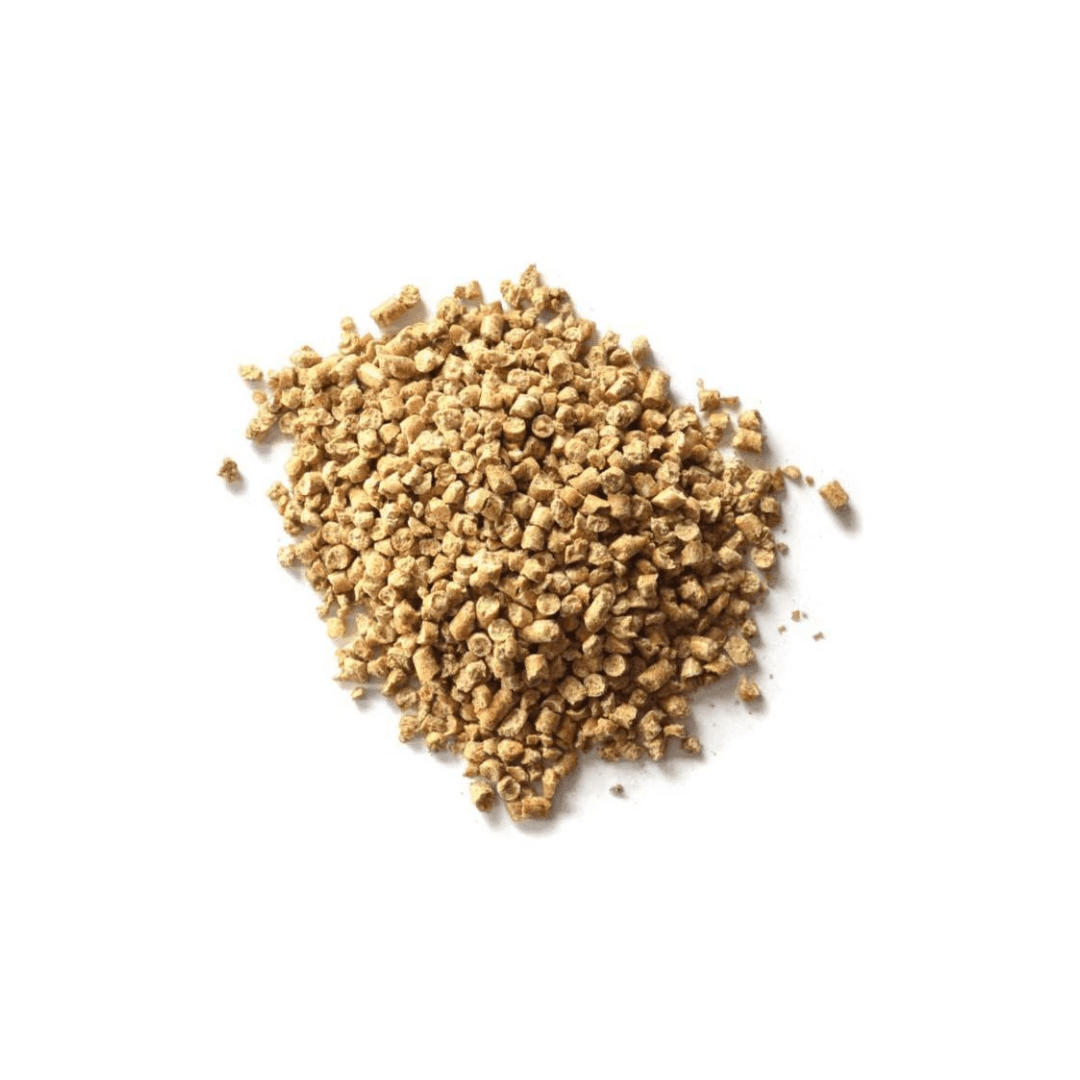
Best for: chicks as their sole ration while growing
Why it exists: chicks are most vulnerable early on, and starter feed supports fast, healthy development.
-
Crude protein: 20% (min)
-
Medicated: contains amprolium (125 mg/kg) as an aid in preventing deaths from coccidiosis in broiler chickens (per label).
Important warnings (from label):
-
Do not feed to laying birds in production.
-
Do not use medicated feed as treatment for outbreaks of coccidiosis.
-
If unexpected deaths occur, get an accurate diagnosis and follow veterinary/poultry pathologist recommendations.
-
Do not use with another feed containing supplemental selenium.
Why it’s a crumb: tiny mouths + tiny beaks. Crumbs are easier for chicks to eat evenly.
Ritchie’s 17% Poultry Grower/Finisher Crumb
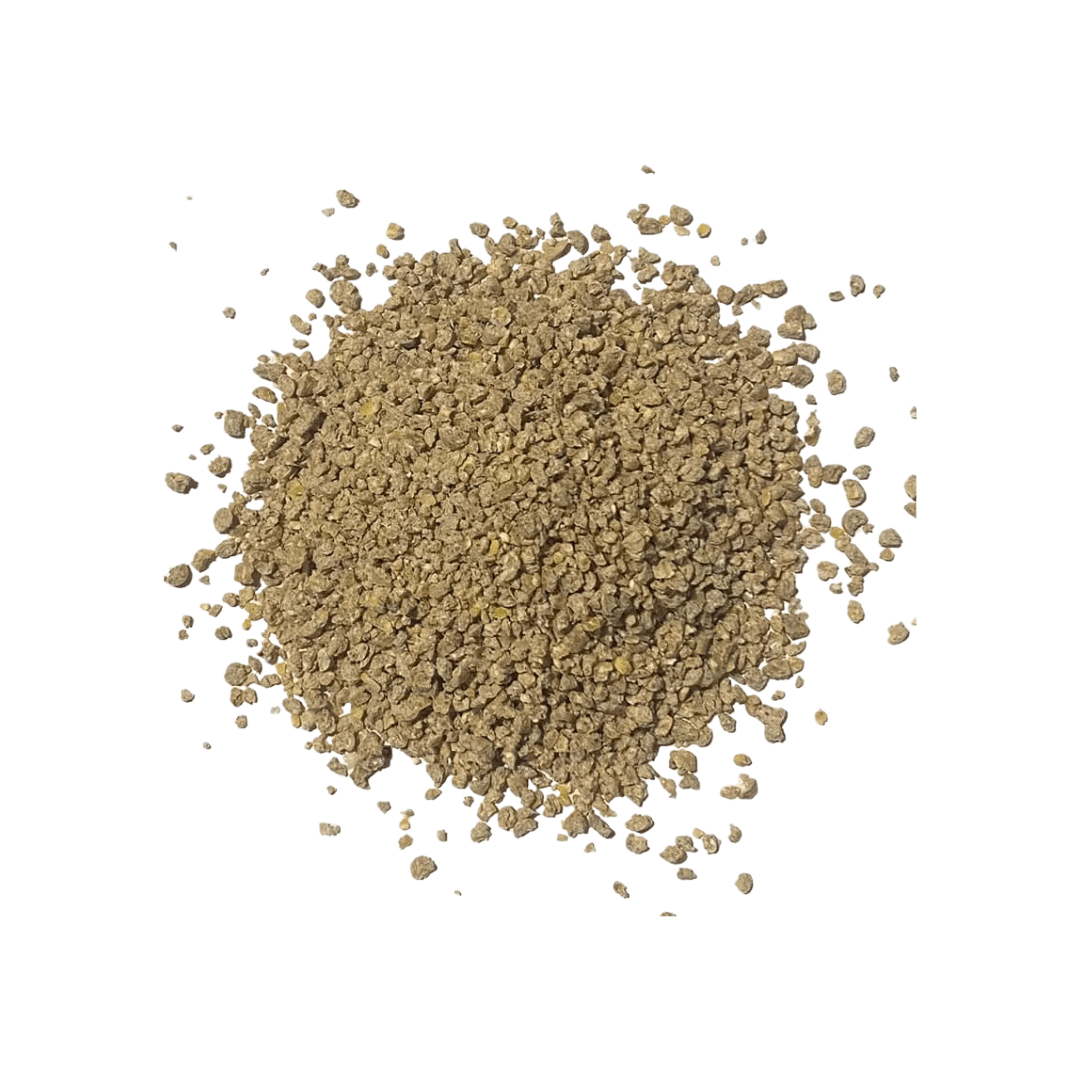
Best for: growing/finishing birds after starter (especially meat birds)
What it does: supports growth without the high calcium of layer feed.
Directions (from label):
Feed as the sole ration for finishing birds (noted for birds from 19 days of age to market), along with good quality forage and fresh water.
Why you’d choose it: this is the “middle stage” feed, great when birds are past the starter stage but not laying yet.
Ritchie’s 16% Layer Crumb
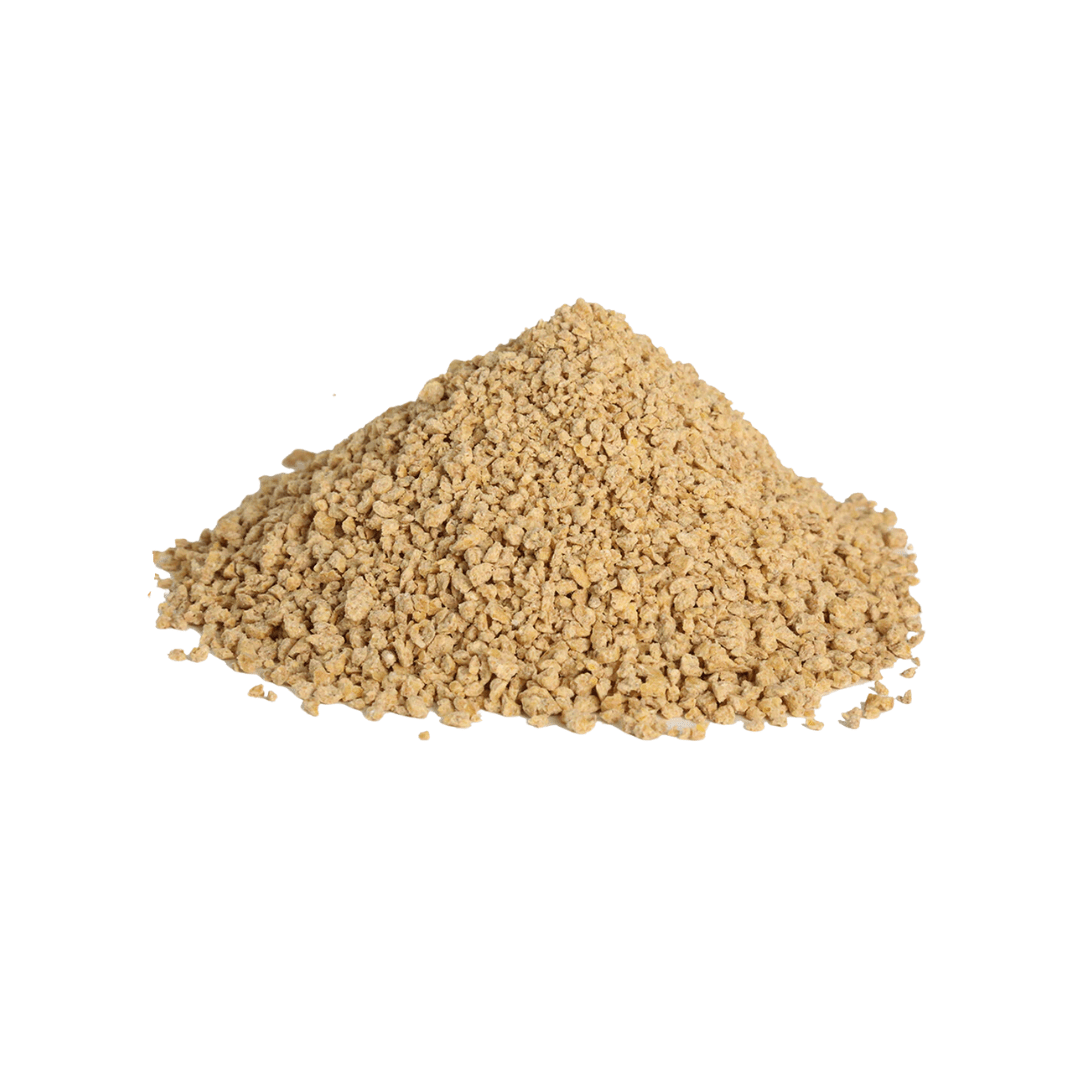
Best for: laying hens from 20–22 weeks onward, through the laying period
What it does: supports egg production with the calcium hens need for shells.
Guaranteed analysis highlights:
-
Crude protein: 16% (min)
-
Calcium: 3.2% (actual) (this is the big layer difference)
-
Selenium added: 0.3 mg/kg (per label)
Directions (from label):
-
Feed as the sole ration from 20–22 weeks through laying
-
Offer 4.5–9 g insoluble grit per hen per week
-
Provide unlimited clean water
Why crumb: some flocks prefer it, and it can reduce “feed flicking” for birds that don’t love pellets.
Ritchie’s 16% Layer Pellet
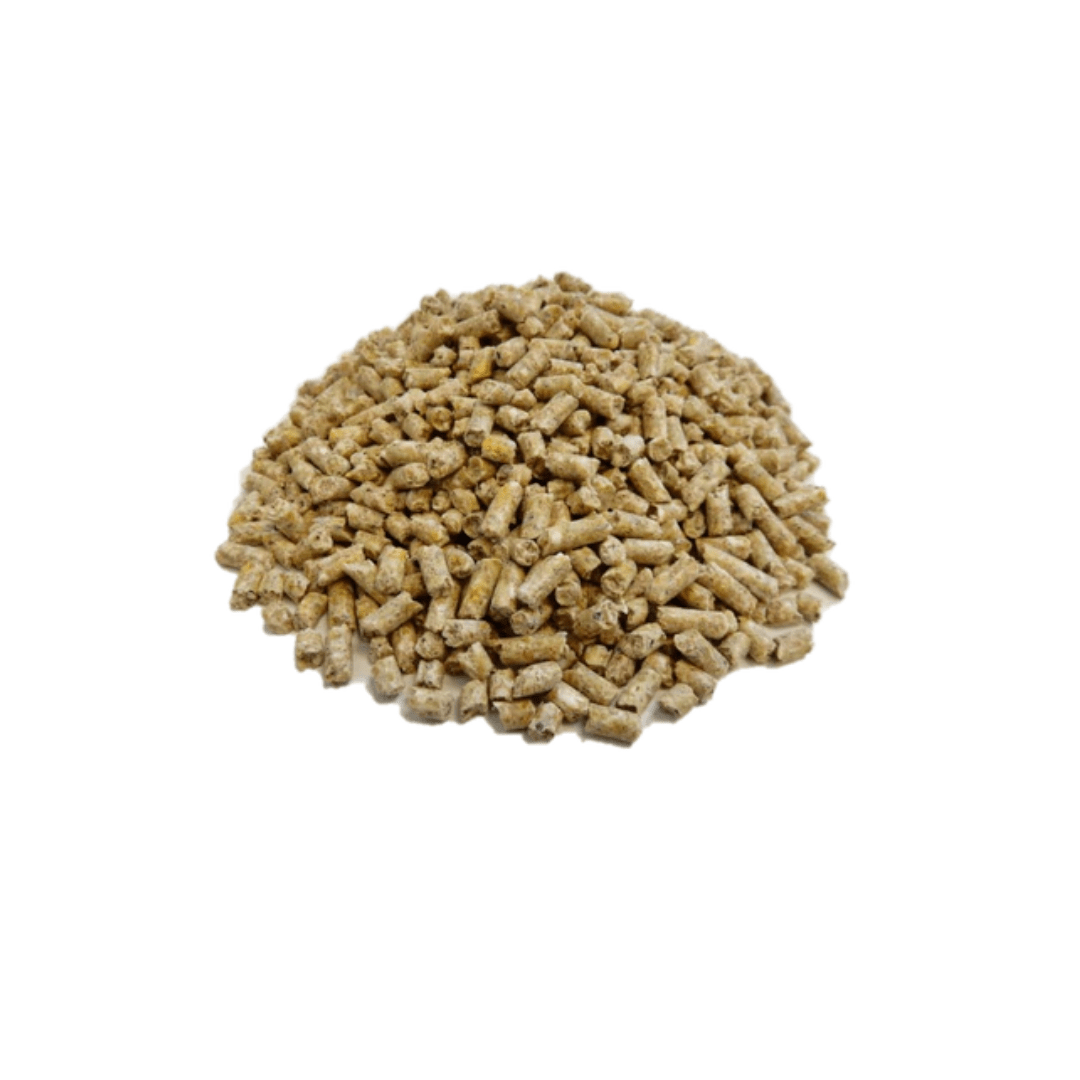
Best for: laying hens from 20–22 weeks onward, through the laying period
Nutrition: same job as the layer crumb, but a different shape.
Guaranteed analysis (same key points):
-
Crude protein: 16% (min)
-
Calcium: 3.2% (actual)
-
Selenium added: 0.3 mg/kg
Directions (from label):
-
Feed as the sole ration from 20–22 weeks through laying
-
Offer 4.5–9 g insoluble grit per hen per week
-
Provide unlimited clean water
Why pellets: less waste and less selective eating (birds can’t pick out favourites as easily).
Ritchie’s Scratch Feed Mash (Grain Mix)
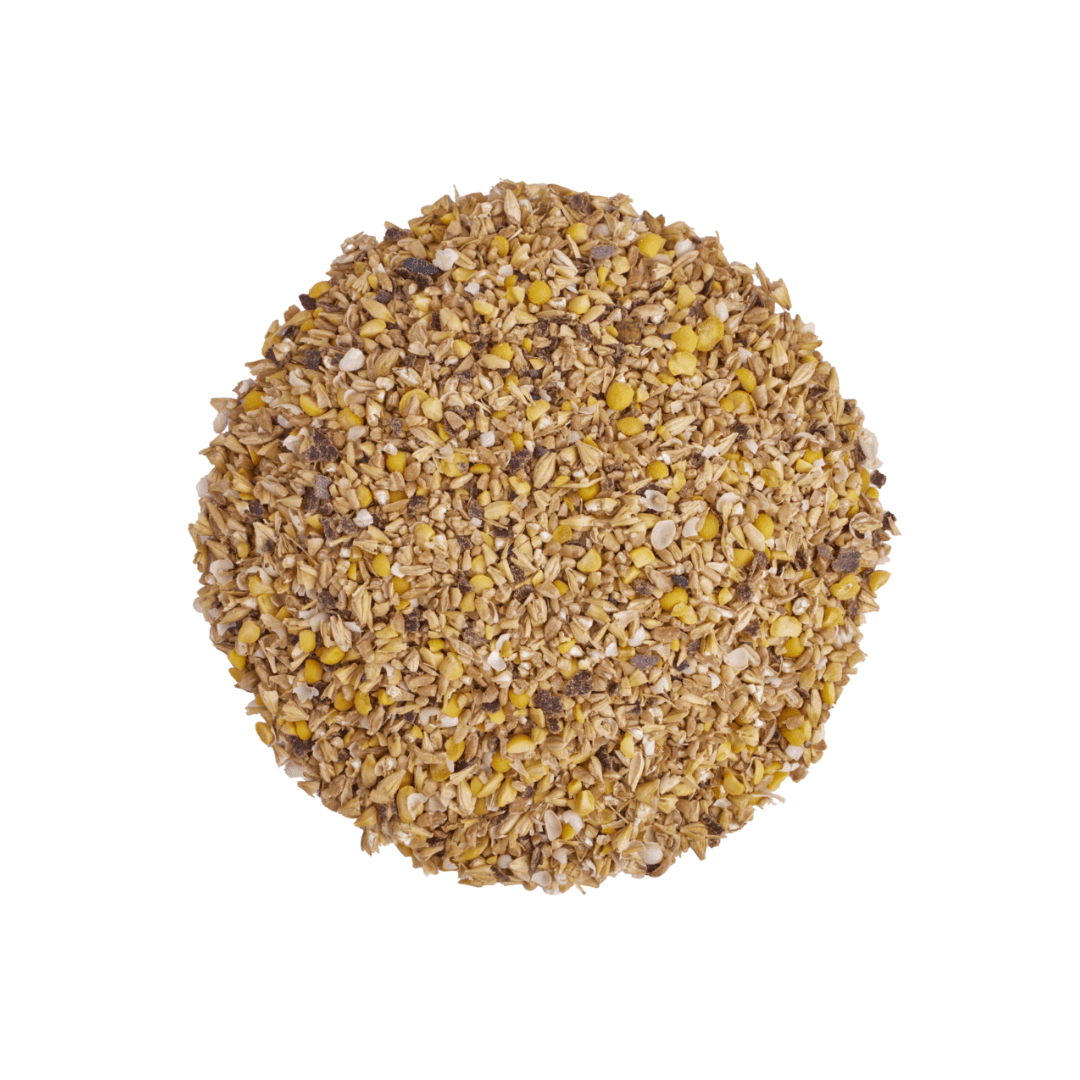
Scratch is the fun one, but it’s not a complete feed.
What it is: a grain mixture for poultry
Ingredients: Yellow cracked corn and wheat
How to feed: feed free choice as a source of grain (or as a treat/top-up)
Important: This feed is not a complete feed, and additional supplementation is required. In other words: scratch should never replace starter, grower, or layer feed, it’s a grain add-on.
Feeding guidelines (from your notes)
-
Broilers: feed 8 kg per bird from one day old to the end of the 8th week of age
-
Replacement pullets: feed 1 kg per bird from one day old to the end of the 4th week of age
Crumbs vs Pellets: which should you pick?
This is mostly about preference + waste control, not “better nutrition.”
Choose crumbs if:
-
your birds are picky and eat better with crumbs
-
you’re transitioning from starter crumb and want an easier change
-
you want a softer texture
Choose pellets if:
-
you want less waste
-
your birds tend to flick feed out of the feeder
-
you want a cleaner, simpler feeding routine
Quick “What does my chicken need?” cheat sheet
| Your birds are… | Choose this feed |
|---|---|
| Chicks (starter stage) | 20% Chick Starter Crumb (Medicated) |
| Growing birds / finishing meat birds | 17% Poultry Grower/Finisher Crumb |
| Laying hens (20–22 weeks+) | 16% Layer Crumb or 16% Layer Pellet |
| Treat/top-up grain (not complete) | Scratch Feed Mash |
Two must-dos no matter what feed you choose
-
Fresh water, always.
-
Grit matters (especially for layers): offer insoluble grit as recommended.
Need help choosing the right bag for your flock?
Tell us your birds’ age and whether they’re laying or growing, and we’ll point you to the best Ritchie’s feed (plus grit and feeder tips).
Pop in-store and we’ll get you set up.